
Brand Loyalty Meaning: Definition, Examples & Ecommerce Strategy Guide 2026
Confused about the meaning of brand loyalty? It's that magic where buyers pick you every time. Check simple ways top brands use to turn shoppers into fans and grow their business.

Summarize this post with AI
Customer acquisition is getting more expensive, yet many ecommerce brands still treat growth as a pure acquisition game. They pour budget into ads, chase first-time buyers, and then wonder why revenue feels harder to sustain as margins tighten and repeat-purchase rates stall.
That approach breaks down fast. If customers buy once and then disappear, you are forced to keep paying for the same growth over and over. Brand loyalty changes that equation. It is the reason customers come back by choice, not just because of a discount, a retargeting ad, or temporary convenience. They trust your brand, feel connected to it, and keep choosing it even when competitors are cheaper or easier to find.
That matters because loyal customers are more valuable over time. Shopify notes that 67% more in months 31 to 36, while Bain’s original research found the same pattern.
In this guide, you'll learn:
- The clear definition of brand loyalty for ecommerce
- How to tell real loyalty apart from discount-driven repeat buying.
- The signals that reveal whether your customers are truly loyal
- A step-by-step framework to build loyalty into your store's DNA
What Is Brand Loyalty? (E-commerce Definition)
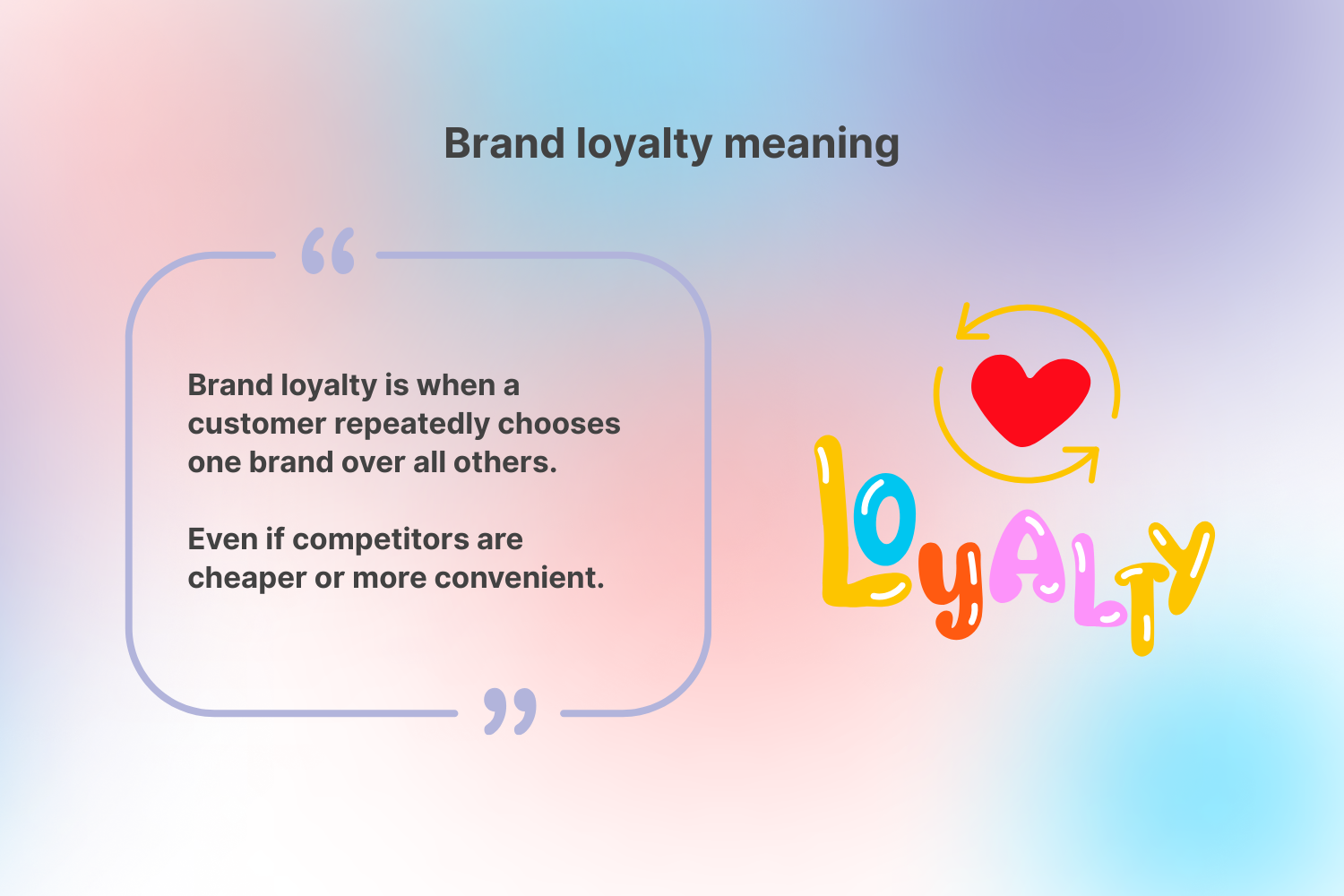
In ecommerce, brand loyalty means a customer keeps choosing your brand even when other options are easy to find. A customer can switch brands in seconds via search, social media, marketplaces, or price-comparison tools. If they still come back to you, that is loyalty.
In practice, brand loyalty usually shows up in three layers:
- Behavioral loyalty: customers buy again and again.
- Emotional loyalty: they trust your brand, feel connected to it, or actively prefer it.
- Economic loyalty: they become less price-sensitive and less likely to switch for a small discount elsewhere.
The strongest brands build all three. Apple is a useful example. According to CIRP, iPhone had a 89% loyalty rate for the twelve-month period ending in June 2025, which shows how powerful loyalty becomes when product satisfaction, ecosystem fit, and brand preference reinforce each other.
For ecommerce brands, that kind of loyalty is a growth advantage. Loyal customers are easier to retain, more likely to buy again, and less dependent on constant reacquisition. HBR has long argued that keeping the right customers creates disproportionate value because acquiring new ones is typically far more expensive than retaining existing ones.
That matters even more in 2026. Acquisition costs remain under pressure, paid channels are crowded, and growth built only on promotions is fragile. Loyalty changes the economics over time by improving retention, supporting higher lifetime value, and making revenue more predictable.
5 Signs of True E-commerce Brand Loyalty
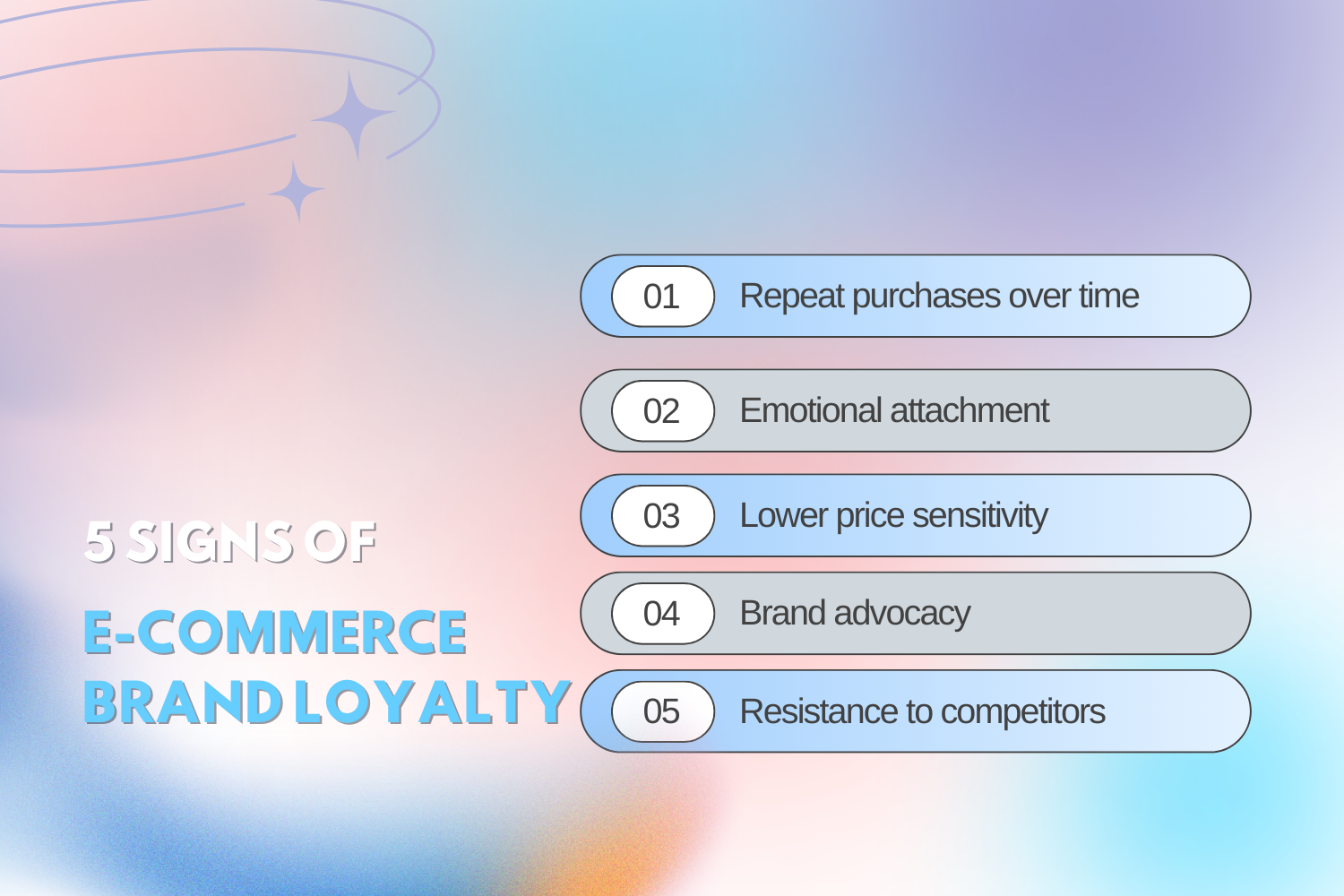
Not every repeat customer is loyal. Some come back only when there is a discount. Others stay until a competitor offers faster shipping or lower prices. True brand loyalty runs deeper. It shows up when customers keep choosing your brand even when they have other options.
Here are five signals that matter most.
- Repeat purchases over time: Not just two quick orders during a sale. But sustained buying across months or years.
- Emotional attachment: Customers identify with your brand. They follow your content. They engage beyond transactions.
- Lower price sensitivity: They don’t abandon you for a minor price difference. Discounts become optional, not required.
- Brand advocacy: They refer friends, create UGC, leave reviews, and publicly defend you.
- Resistance to competitors: Even when competitors launch aggressive promotions, your customers stay.
If these signals are missing, you may still have sales, but you do not yet have strong brand loyalty.
Brand Loyalty vs. Customer Loyalty vs. Brand Affinity
Many ecommerce brands see repeat purchases and assume they have built brand loyalty. Often, they have built something narrower: customer loyalty driven by incentives. That still has value, but it is not the same thing. Brand affinity adds a third layer, and understanding the difference helps you build a stronger strategy.
Let’s break it down clearly.
| Factor | Brand Loyalty | Customer Loyalty | Brand Affinity |
|---|---|---|---|
| Driven by | Trust, preference, and emotional connection | Discounts, convenience, or rewards | Shared values, identity, and brand meaning |
| Price sensitivity | Lower | Usually higher | Low to moderate |
| Retention stability | More durable | Weaker without incentives | Can be durable, but may exist before purchase |
| Behavioral signal | Repeat buying, advocacy, and resistance to switching | Repeat buying | Engagement, preference, and positive perception |
| Example | Apple users who stay in the ecosystem | Shoppers who return for monthly discount codes | People who follow Patagonia because they value its mission |
The difference becomes clearer in practice. A customer who returns because your store keeps sending discount codes may still be valuable, but that relationship is fragile. If a competitor offers a better deal, they may leave. That is customer loyalty.
Brand loyalty looks different. Customers come back because they trust your brand, know what to expect, and prefer buying from you even when alternatives are readily available. The purchase is not driven only by price. It is reinforced by confidence, familiarity, and emotional preference.
Brand affinity sits earlier in the journey. It is the emotional pull people feel toward a brand before or beyond the transaction itself. They may follow your content, share your story, or recommend you because your brand reflects something they care about. That does not always lead to an immediate purchase, but it can make conversion easier and strengthen future retention.
Why Confusing the Three Hurts Ecommerce Brands
Customer loyalty, brand loyalty, and brand affinity do not create the same kind of growth. Customer loyalty can often be driven by discounts or convenience. Brand loyalty has to be earned through trust, experience, and consistent delivery. Brand affinity grows through values, positioning, and storytelling. When brands treat these as interchangeable, they usually make the wrong retention decisions.
The most common mistake is relying too heavily on discounts to keep customers coming back. At first, that can look like retention. Sales go up, repeat orders increase, and campaigns appear to work. But over time, the pattern becomes more expensive. Customers start waiting for the next promotion instead of buying at full price. Full-price conversion gets weaker, margins tighten, and paid acquisition becomes harder to scale profitably.
That is where the real damage happens. The brand thinks it is building loyalty, but it is actually training customers to respond only when there is an incentive. What looks like preference is often just dependency, and dependency is easy for competitors to break with a slightly better offer.
True brand loyalty creates a much stronger position. It helps protect your brand from price competition, supports new product launches without constant promotions, and gives customers more reasons to stay when other brands push aggressive campaigns. That is why the distinction matters. If you confuse short-term repeat buying with real loyalty, you can end up growing revenue while weakening the brand underneath it.
The 3 Types of Brand Loyalty (Strategic Framework)
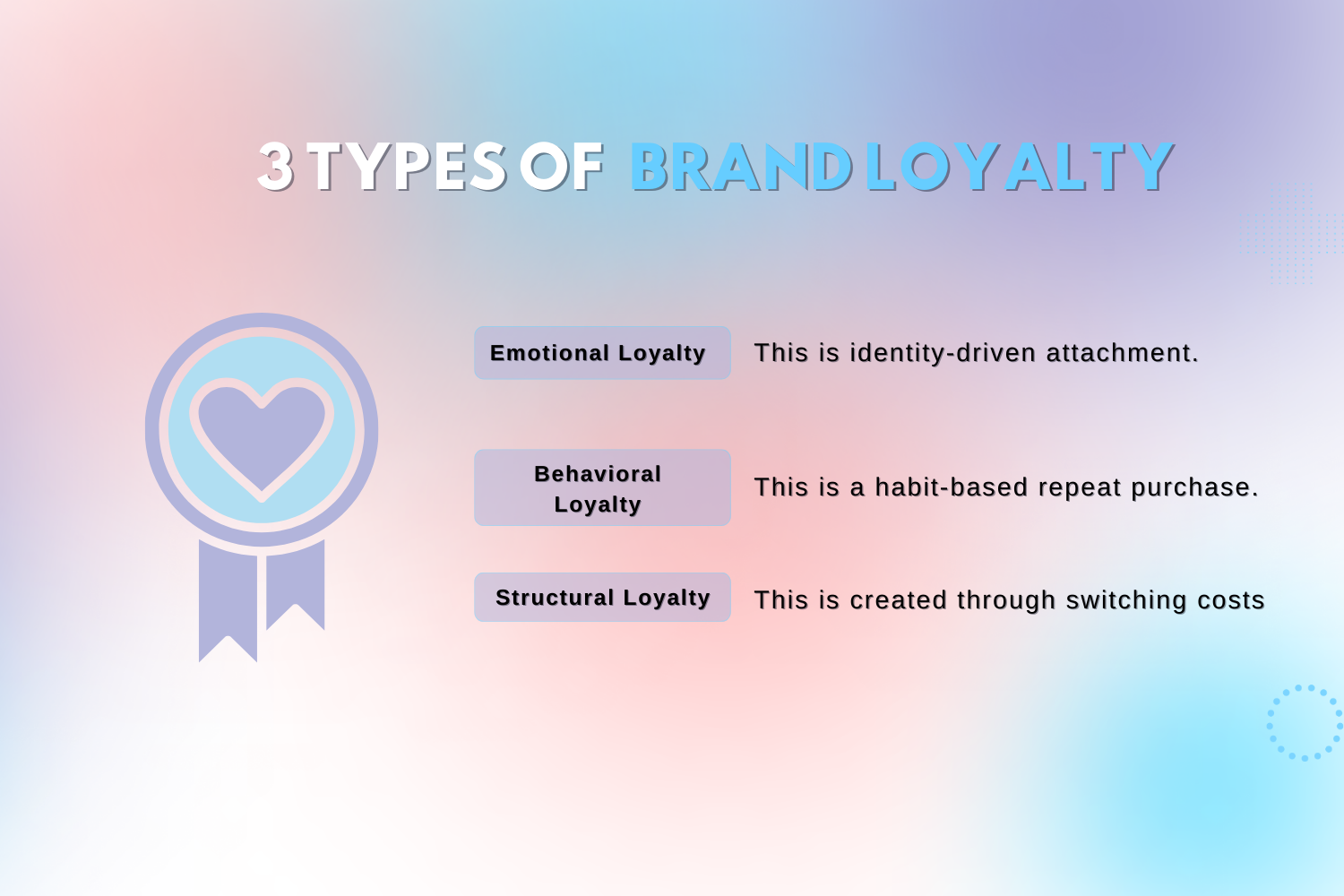
Strong ecommerce brands rarely rely on just one type of loyalty. They build across multiple layers so that retention isn’t dependent on a single tactic.
Here’s how the three types work.
1. Emotional Loyalty
This is identity-driven attachment.
Customers feel aligned with your values, lifestyle, or community. They don’t just buy products; they buy what your brand represents.
Examples:
- Nike (performance + mindset)
- Gymshark (community + ambition)
Emotional loyalty is the hardest to build, and the hardest to break.
2. Behavioral Loyalty
This is a habit-based repeat purchase.
Customers return because it’s easy, familiar, and convenient. It may not be deeply emotional, but the routine keeps them coming back.
Example:
- Amazon Prime (fast shipping + convenience loop)
Behavioral loyalty increases frequency, but alone, it can be replaced by a better offer.
3. Structural Loyalty
This is created through switching costs.
Customers stay because leaving would mean losing benefits, convenience, or ecosystem value.
Example:
- Subscription models (Dollar Shave Club subscription model)
- Ecosystem lock-in (Apple ecosystem)
It doesn’t rely purely on emotion; it relies on smart system design.
But here’s the key: structural loyalty works best when layered on top of emotional trust.
If customers feel trapped instead of valued, they churn the moment an exit becomes easy.
Why Brand Loyalty Matters for E-commerce Brands
If you only remember one thing from this guide, remember this:
Loyalty is not a marketing tactic. It’s a profit multiplier.
When brand loyalty increases, your numbers across the board improve: LTV, CAC efficiency, margins, and even cash flow stability. Let’s break it down in practical terms.
Improves Customer Lifetime Value (LTV)
At its simplest, the LTV formula looks like this:
LTV = Average Order Value × Purchase Frequency × Customer Lifespan
Brand loyalty directly impacts the last two variables.
When customers are loyal:
- They buy more often.
- They stay longer.
- They don’t disappear after one promotion cycle.
That means your purchase frequency increases and your customer lifespan extends, which multiplies LTV without increasing ad spend.
And here’s the important part: when LTV grows, your business becomes less dependent on constantly acquiring new customers just to survive. You’re not chasing revenue every month. You’re compounding it.
A loyal customer base turns unpredictable sales into recurring revenue patterns.
Reduces Customer Acquisition Cost Pressure
Most e-commerce brands feel constant pressure from rising ad costs. But loyal customers quietly lower that pressure in two ways.
First, repeat buyers reduce your blended CAC. If a customer buys five times, you only pay to acquire them once. That spreads the acquisition cost across multiple orders.
Second, loyal customers improve your CAC payback period. You recover your ad spend faster because repeat purchases happen sooner and more consistently.
This stabilizes revenue. It also makes paid media more efficient, because your returning customers convert at a much higher rate than cold traffic.
When loyalty is strong, paid ads become an accelerator, not a survival tool.
Increases Price Elasticity
Price elasticity measures how sensitive customers are to price changes.
Loyal customers are less sensitive.
They trust your quality. They believe in your value. They don’t leave immediately when prices increase by 5–10%.
This allows you to:
- Reduce discount frequency
- Maintain healthier gross margins
- Avoid training customers to wait for sales
If your only retention tool is discounting, your margin will always be under pressure. But when loyalty is emotional and structural, customers tolerate normal price adjustments because they’re buying more than just the product; they’re buying the brand.
That’s long-term margin protection.
Drives Organic Growth Through Advocacy
Loyal customers don’t just buy. They promote.
They:
- Refer friends
- Post user-generated content
- Leave detailed reviews
- Share product experiences organically
This reduces your reliance on paid ads because new customers enter your ecosystem through trust, not just targeting.
Think of it as a community flywheel:
Great product → Emotional connection → Advocacy → New customers → Stronger community → More emotional connection.
When this loop starts working, growth becomes partially self-sustaining.
And that’s when ecommerce shifts from performance marketing dependency to brand-driven expansion.
4 Real Examples of Brand Loyalty in Action
Now let’s look at how this works in practice. These aren’t random success stories. Each brand clearly combines emotional, behavioral, and structural loyalty.
Pay attention to the mechanism, not just the brand name.
Example 1: Apple (Emotional + Structural Loyalty)

Apple builds emotional loyalty through identity. Customers see the brand as premium, creative, and innovative. Owning Apple products feels like belonging to a certain standard.
At the same time, the ecosystem creates structural loyalty. iPhones, MacBooks, AirPods, and iCloud sync seamlessly. Leaving the ecosystem means losing convenience and integration.
Emotion attracts. Structure retains.
Example 2: Sephora (Loyalty Program + Personalization)
Sephora’s Beauty Insider program is more than a points system. It layers tiers, exclusivity, early access, and personalized recommendations.
Customers feel recognized. Their purchase history shapes offers and product suggestions, which increases relevance and repeat behavior.
It’s a mix of behavioral loyalty (rewards and tiers) and emotional loyalty (feeling understood).
Example 3: Gymshark (Community-Driven Loyalty)

Gymshark built loyalty through community before scale.
By partnering with fitness influencers early and spotlighting real customers, the brand made buyers feel part of a movement. Wearing Gymshark signals belonging to a fitness lifestyle.
The product matters. But the identity matters more.
That’s emotional loyalty driving repeat purchase and advocacy.
Example 4: Amazon Prime (Structural Loyalty Through Ecosystem)
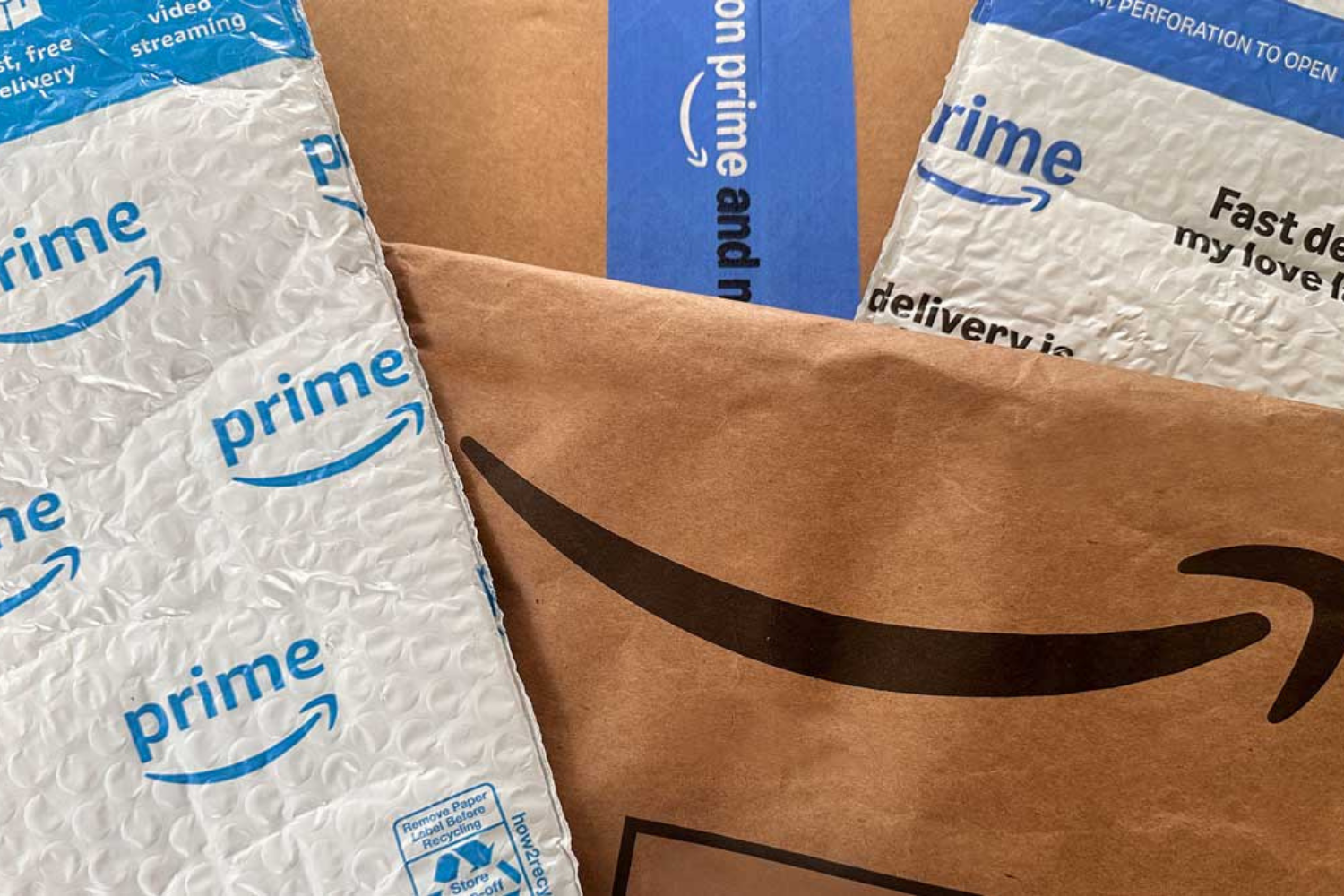
Amazon Prime creates structural loyalty through bundled value: fast shipping, streaming, exclusive deals, and convenience.
Once customers subscribe, purchasing behavior becomes habitual. The perceived loss of benefits makes switching less attractive.
It’s less about deep emotional attachment and more about frictionless convenience layered with subscription lock-in.
How Ecommerce Brands Build Brand Loyalty (Step-by-Step Framework)
Now let’s make this practical.
Brand loyalty doesn’t happen because you installed a rewards app. It’s designed. And the brands that win are intentional about how they design it.
Here’s a simple framework you can actually apply.
Deliver a Consistent Post-Purchase Experience
Most ecommerce brands focus heavily on getting the sale. But loyalty is built after the checkout page.
Start with the basics:
- Shipping – Is it reliable and clearly communicated? Delays are forgivable. Silence is not.
- Packaging – Does it feel intentional or generic? Even small details can make customers feel valued.
- Customer service – Are responses fast and human? A single positive support experience can turn frustration into loyalty.
- Returns – Is the process simple? Complicated returns destroy trust quickly.
Customers remember how you handle problems more than how you process payments.
If the post-purchase experience feels smooth and respectful, customers relax. That trust is the foundation for repeat buying.
Personalize the Customer Journey
Personalization is not about using someone’s first name in an email. It’s about relevance.
When your communication reflects what customers actually care about, they feel understood.
Focus on:
- Email segmentation – Separate first-time buyers from repeat buyers. Treat VIPs differently from discount-only customers.
- Product recommendations – Suggest items based on browsing or purchase history, not generic best-sellers.
- Behavioral triggers – Abandoned cart flows, replenishment reminders, post-purchase cross-sells.
When customers feel like your brand “gets” them, loyalty strengthens. When everything feels generic, you become replaceable.
Build Community, Not Just Transactions
Transactional brands compete on price. Community brands compete on belonging.
You can build community through:
- Social proof: showcase real customers using your products.
- UGC (user-generated content) – Encourage customers to share experiences.
- Private groups – VIP communities, Discord groups, or exclusive email circles.
- Events – Online launches, live Q&As, pop-ups, or customer meetups.
When customers interact with each other, not just with you, something powerful happens. The brand becomes a shared space, not just a store.
Community increases emotional loyalty. And emotional loyalty is the hardest for competitors to steal.
Create Structural Incentives
Emotion builds connection. Structure protects retention.
Structural incentives make it easier to stay than to leave.
This can include:
- Loyalty programs – Points, rewards, or member-only benefits.
- Subscriptions – Auto-refill products or recurring deliveries.
- Tier systems – Unlocking perks based on spend or engagement.
The key is balance. Incentives should reward commitment, not train customers to expect discounts every time.
Done right, structural elements create habit. Done wrong, they create dependency on promotions.
Align Brand Values with Customer Identity
This is where loyalty becomes long-term.
Customers increasingly choose brands that reflect their identity and values. If your positioning is clear and authentic, the right audience will stay with you.
Examples of value alignment include:
- Sustainability – Ethical sourcing, eco-friendly packaging.
- Transparency – Honest pricing breakdowns, open communication.
- Social positioning – Clear stance on causes that matter to your audience.
But this only works if it’s genuine. Performative messaging breaks trust quickly.
When customers see themselves in your brand story, switching feels like switching identity. That’s powerful.
5 Common Mistakes E-commerce Brands Make About Loyalty
Understanding loyalty is one thing. Avoiding mistakes is another.
Here are the traps many e-commerce brands fall into.
Mistake #1. Confusing Discounts with Loyalty
If customers only buy during sales, you haven’t built loyalty. You’ve built price conditioning.
Discounts can stimulate behavior, but they rarely build emotional attachment. Over time, this erodes margins and trains customers to wait.
Loyalty should increase pricing power, not weaken it.
Mistake #2. Over-Investing in Acquisition, Under-Investing in Retention
It’s easier to measure ad performance than retention quality. So brands pour budgets into acquisition while ignoring post-purchase experience.
But growth driven purely by new traffic is fragile. Without retention, you’re filling a leaking bucket.
Retention improvements often produce higher ROI than incremental ad spend.
Mistake #3. Ignoring Post-Purchase Experience
Many brands treat fulfillment and support as operational tasks, not loyalty drivers.
But remember: loyalty is built after the sale. Late responses, confusing returns, and poor packaging quietly damage trust.
Customers rarely complain loudly. They just don’t come back.
Mistake #4. Treating Loyalty as a Program, Not a Strategy
Installing a loyalty app is not a loyalty strategy.
Real loyalty touches:
- Product quality
- Customer support
- Brand positioning
- Communication tone
- Community building
A rewards program can support loyalty, but it cannot replace it.
Mistake #5. Measuring Revenue but Not Retention
Revenue can grow while loyalty weakens.
If you only track top-line sales, you might miss:
- Declining repeat purchase rate
- Increasing discount dependency
- Shortening customer lifespan
Track retention metrics alongside revenue. That’s where long-term health shows up.
Conclusion
Let’s bring this back to the core idea.
Brand loyalty means customers consistently choose your brand because they trust it, feel connected to it, and believe in its value, even when other options are available.
It’s not just a repeat purchase. It’s a preference with conviction.
In e-commerce, loyalty is not a buzzword you add to a strategy deck. It’s a retention engine. It increases lifetime value, lowers acquisition pressure, protects margins, and stabilizes revenue. Without it, growth depends heavily on ads and discounts. With it, growth compounds.
The brands that win in the long term are not the ones with the most customers.
They’re the ones with the most loyal customers.
Because loyal customers:
- Buy more often
- Stay longer
- Tolerate price changes
- Bring in new buyers
- And reduce your dependence on paid traffic
If you design your ecommerce strategy around loyalty instead of just acquisition, you stop chasing revenue and start building an asset.
And that shift changes everything.
FAQs
What is brand loyalty in simple words?
Brand loyalty is when customers keep choosing the same brand because they trust it and feel connected to it, not just because it’s cheap or convenient.
It means they prefer your brand, even when other options are available.
What is an example of brand loyalty?
A common example is customers who repeatedly buy Apple products even when competitors offer similar devices at lower prices. They trust the brand, value the ecosystem, and feel attached to the experience.
That preference goes beyond discounts or promotions.
What is the difference between brand loyalty and customer loyalty?
Customer loyalty is usually driven by incentives like discounts, rewards, or convenience. Brand loyalty is driven by emotional connection, trust, and identity.
Customer loyalty can often be bought. Brand loyalty has to be built.
Confusing the two can lead to over-discounting and shrinking margins.
How do companies build brand loyalty?
Companies build brand loyalty by:
- Delivering consistent post-purchase experiences
- Personalizing communication and offers
- Building community around the brand
- Creating structural incentives like subscriptions or tiers
- Aligning brand values with customer identity
It’s a mix of emotional, behavioral, and structural strategies working together.
How is brand loyalty measured?
Brand loyalty can be measured using:
- Repeat purchase rate
- Customer lifetime value (LTV)
- Retention rate over 6–12 months
- Net Promoter Score (NPS)
- Referral rate and user-generated content
Strong loyalty usually shows up in a long customer lifespan and lower price sensitivity.
Why is brand loyalty important for ecommerce businesses?
Brand loyalty is critical for ecommerce because acquisition costs are rising and competition is intense.
Loyal customers:
- Lower your blended CAC
- Improve ad efficiency
- Increase lifetime value
- Reduce discount dependency
- Generate organic growth through referrals
Without loyalty, growth is expensive and fragile. With loyalty, your ecommerce business becomes more predictable, more profitable, and far more resilient over time.

Written by
Thomas Nguyen is the CTO of Joy, a loyalty solution for Shopify and eCommerce brands. With years of experience building high-performance Shopify apps, Thomas aims to help merchants grow through customizable and retention-focused tools.
Related reading
 How-to Guide
Brand Affinity vs Brand Loyalty: The Strategic Difference That Drives Ecommerce LTV (2026 Guide)
Confused about brand affinity vs brand loyalty? Discover the key difference and how it drives retention, margins, and LTV growth.
 Thomas Nguyen
 How-to Guide
How to Measure Brand Loyalty: 6 Critical Metrics for 2026
Likes don't equal loyalty - and neither do single-purchase sales. This guide breaks down how to measure brand loyalty with 6 critical metrics: LTV, repeat purchase rate, retention rate, point redemption, NPS, and UGC. Plus benchmarks for 2026 - when acquisition costs are 4× higher.
Thomas Nguyen How-to Guide
Brand Loyalty Statistics: The 2026 Profitability Guide
Facebook CAC jumped 295% in a year. Allbirds got 1700% ROI from loyalty. This 2026 brand loyalty statistics guide unpacks the benchmarks that separate profitable retention from expensive acquisition — plus the redemption rates, LTV math, and Gen Z data behind today's top programs.
Thomas Nguyen How-to Guide
Customer Loyalty and Customer Satisfaction: Why Happy Customers Still Leave (And How to Fix It)
Customer satisfaction is a score; loyalty is a behavior. Confusing the two leaves you with a store full of happy one-time buyers. Here's the difference, why satisfaction alone fails, and a framework to close the gap.
Thomas Nguyen How-to Guide
7 Types Of Customer Loyalty & How to Strengthen Them
Explore seven types of customer loyalty and learn effective strategies to boost retention and long-term success. Enhance your loyalty program and strengthen customer connections today!
Thomas Nguyen How-to Guide
Building Brand Loyalty for Ecommerce Brands in 2026: A Complete Playbook
Building brand loyalty is how smart ecommerce brands grow without chasing ads. Learn simple ways to turn buyers into repeat fans.
Thomas Nguyen